Made-to-Order · Kyoto-origin Kakishibu · Hand-dyed in Japan
Kakishibu — fermented persimmon juice — has been used in Japan for over a millennium to strengthen, preserve and colour cloth, paper, and the great wooden temples that still stand today. Each SHIBUI piece carries that tradition forward.
Kakishibu: Minami-Yamashiro, Kyoto · Hand-dyed in Japan
Base garments: Vietnam · Cambodia · IndiaThe Collection
Every piece is made to order and hand-dyed with kakishibu in Kyoto.

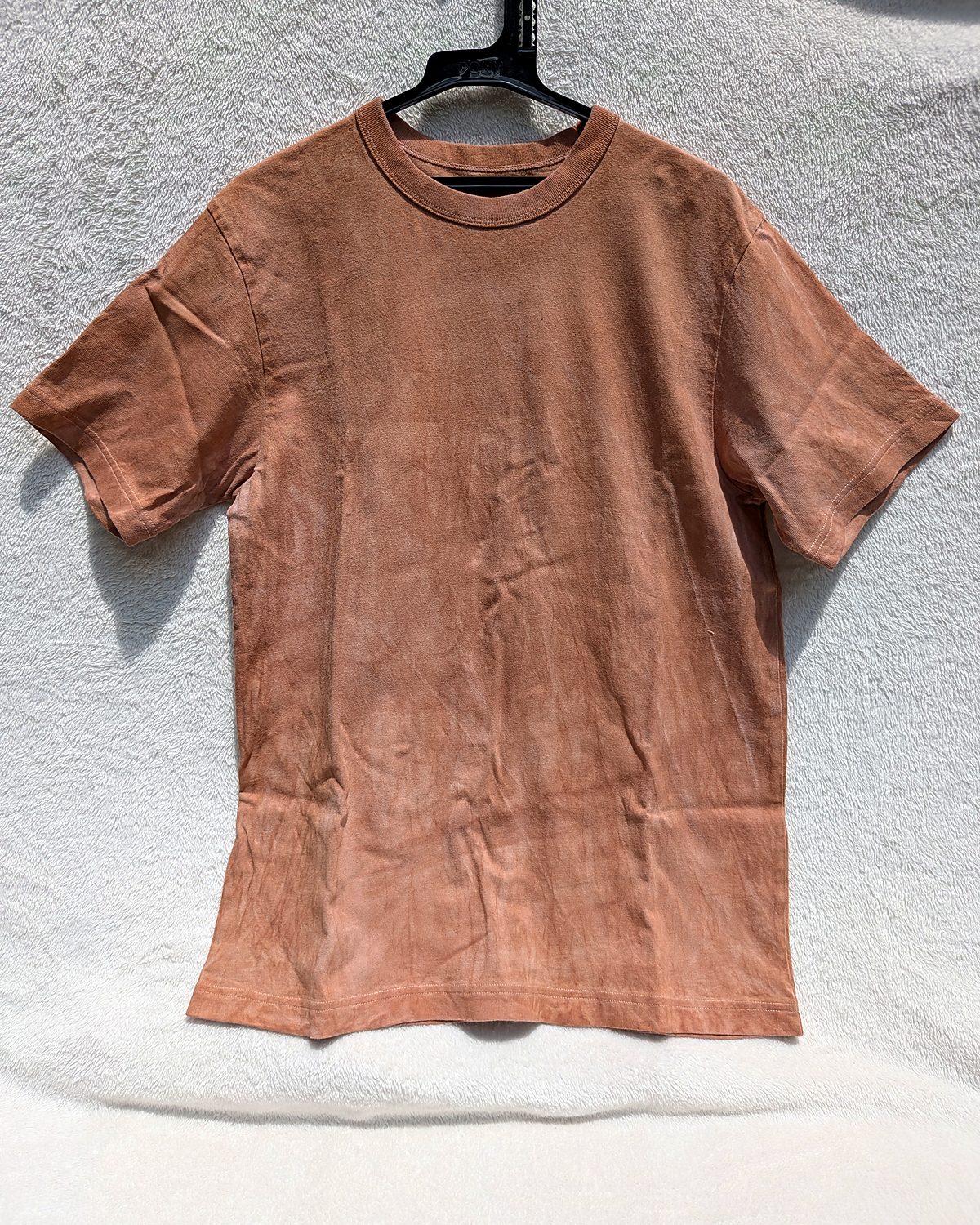
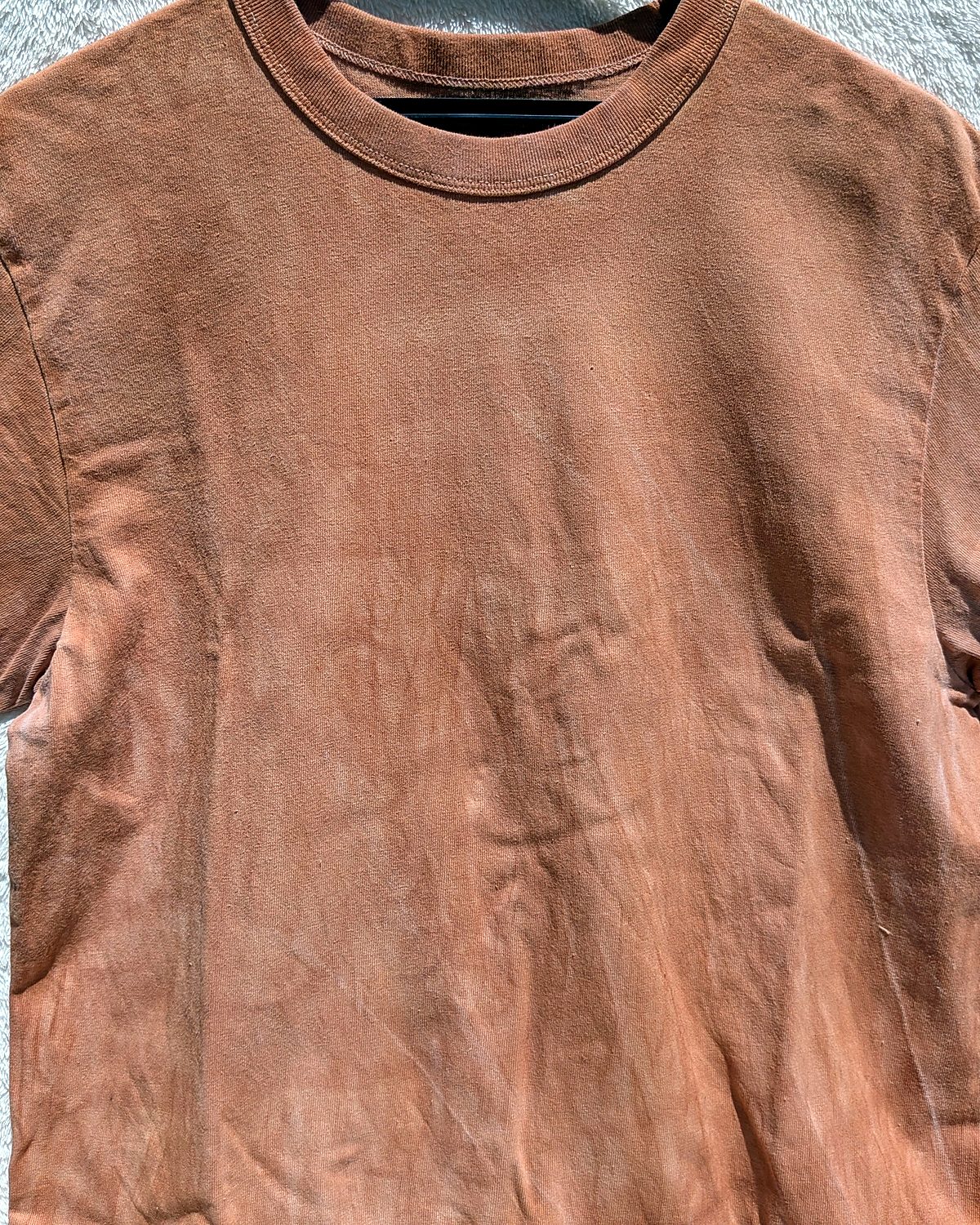
Crew Neck Short Sleeve
T-Shirt
Base garment made in Vietnam. Hand-dyed with kakishibu in Kyoto, Japan.
$285

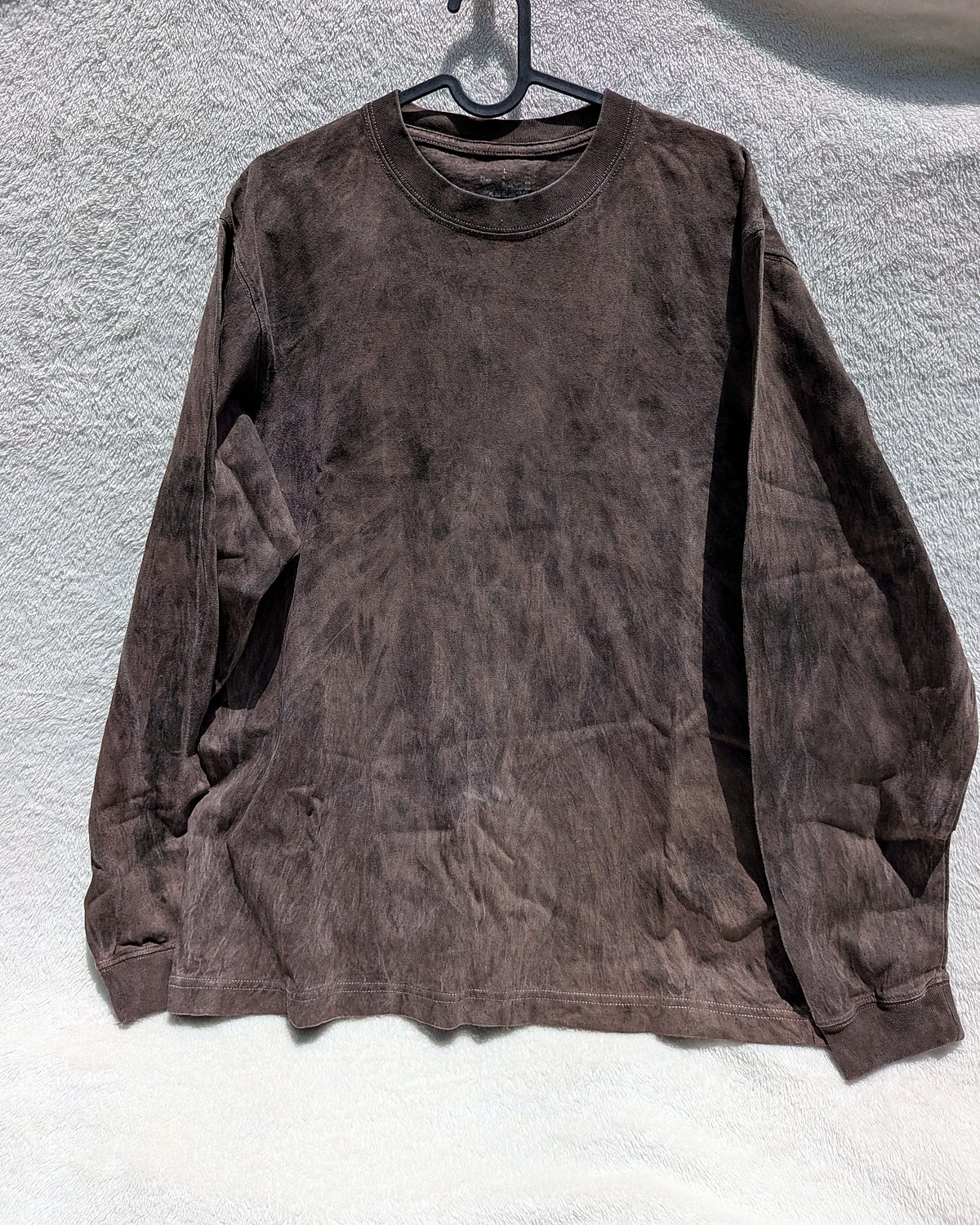
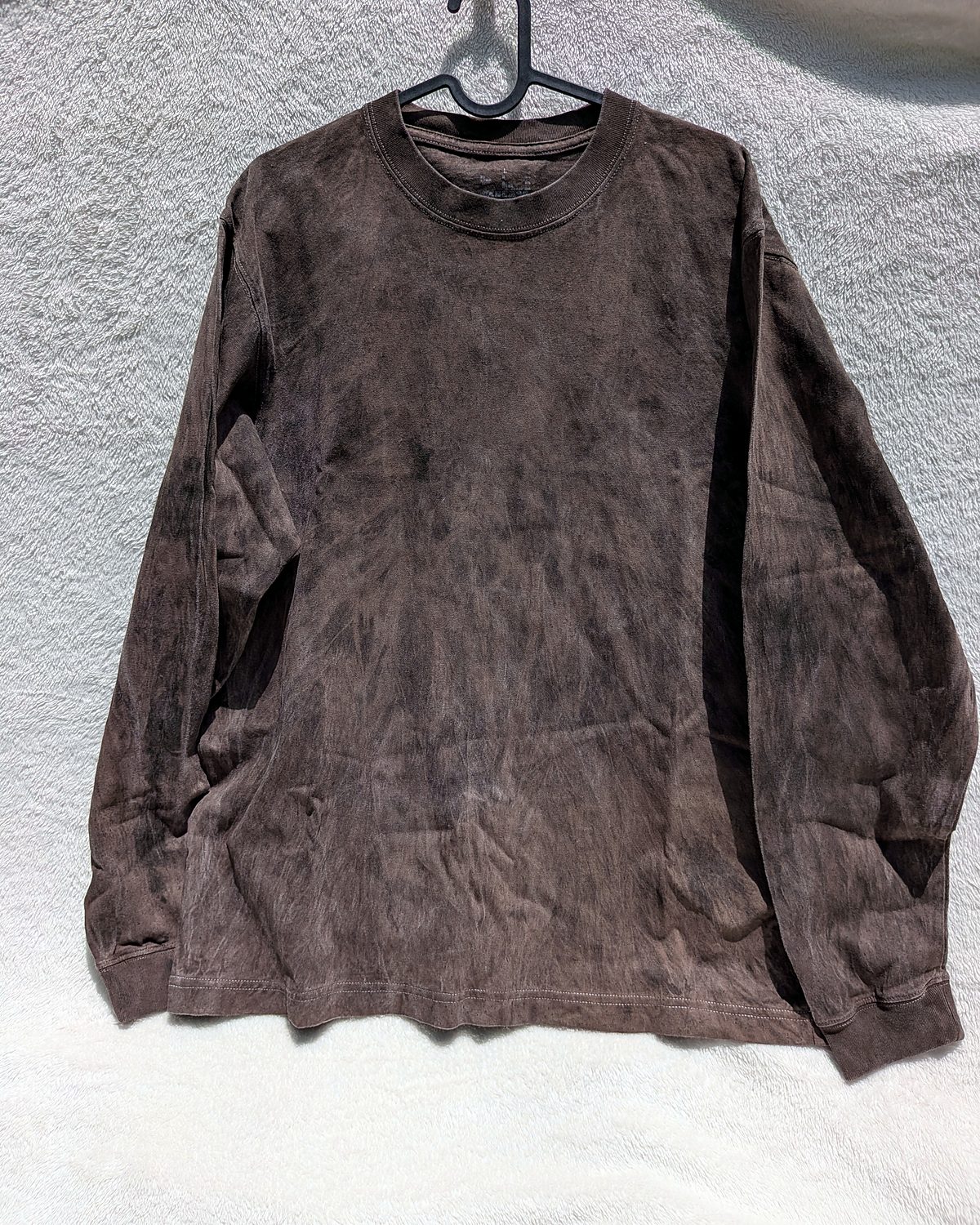
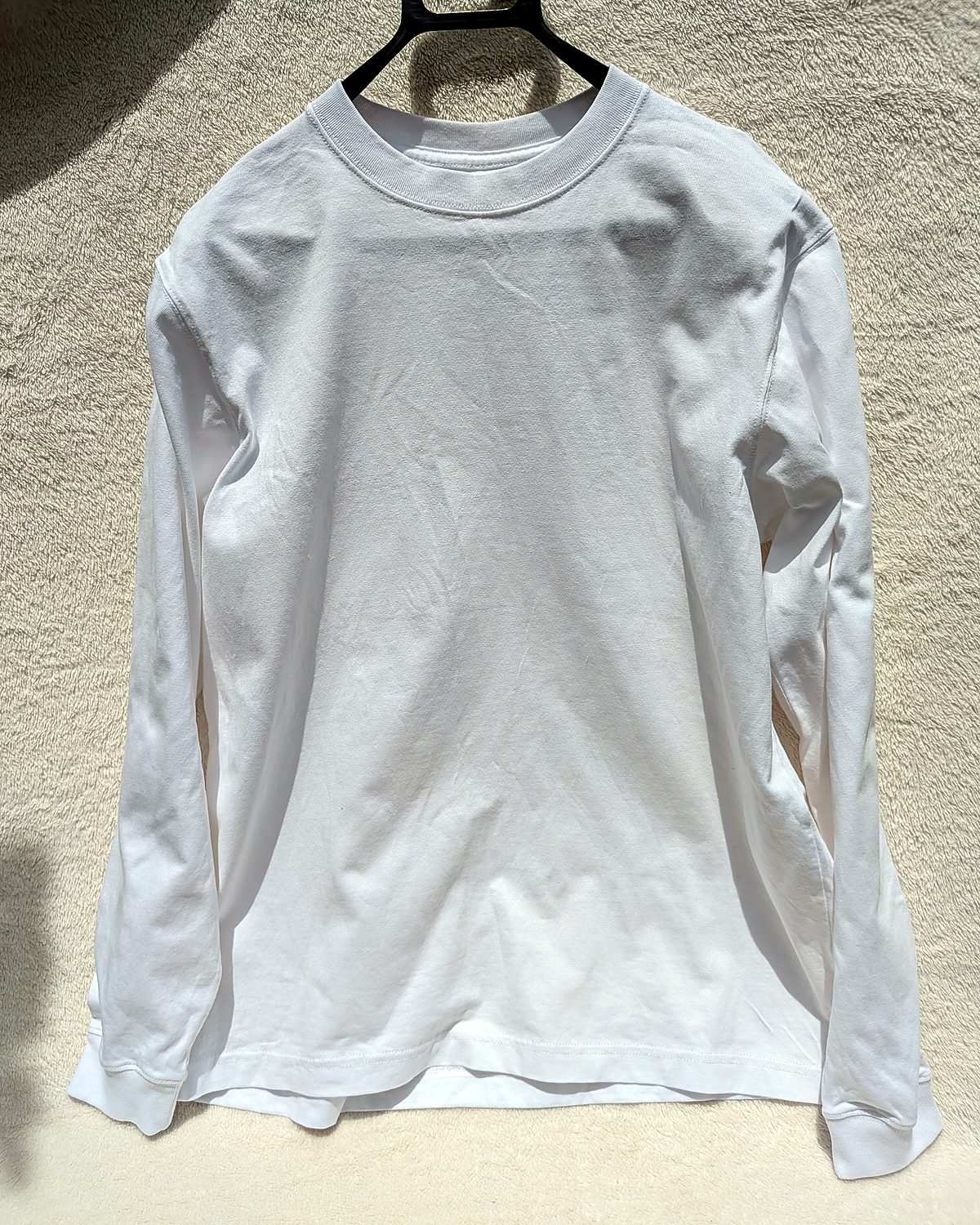
Crew Neck Long Sleeve
Long-Sleeve T-Shirt
Base garment made in Vietnam. Hand-dyed with kakishibu in Kyoto, Japan.
$310

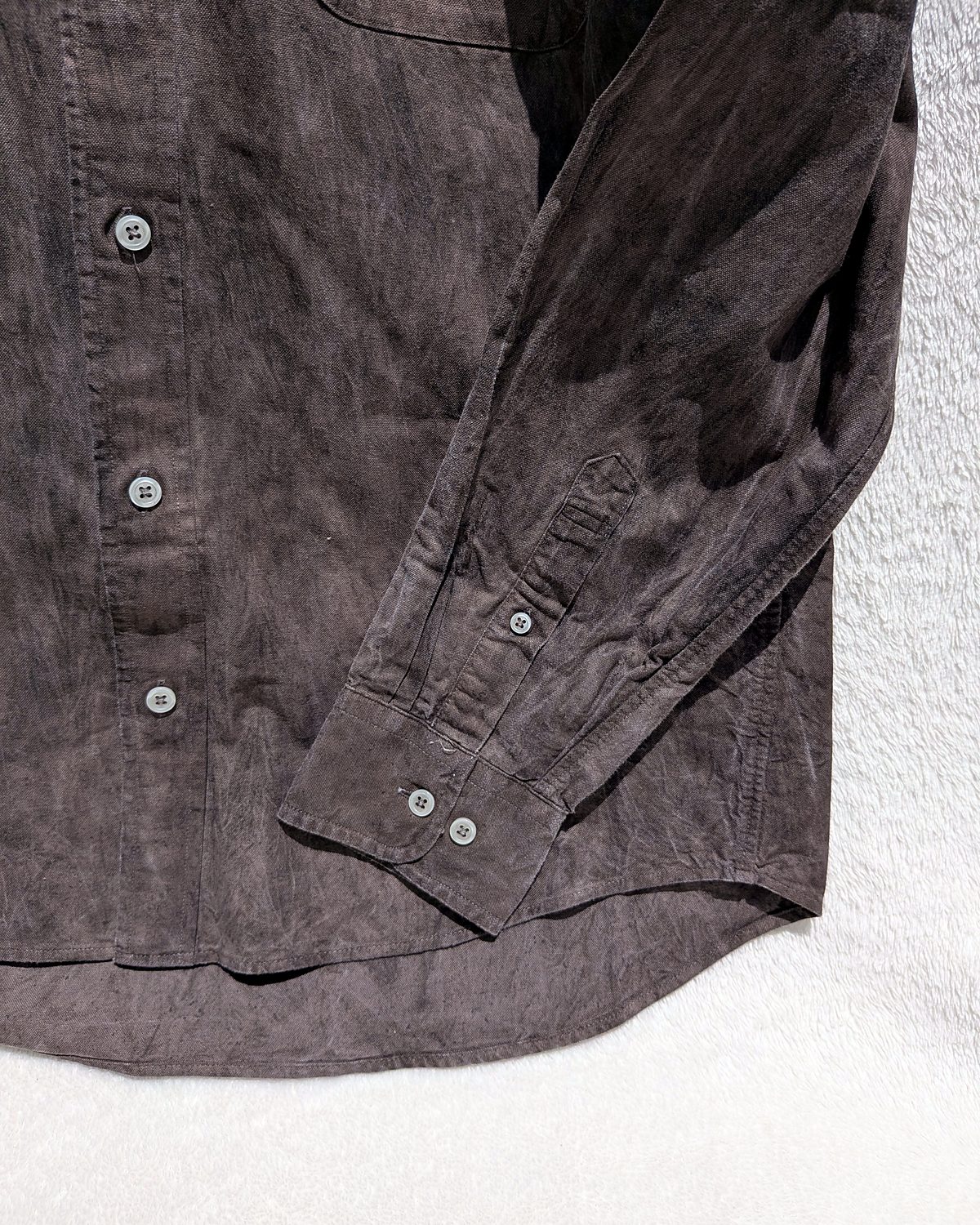
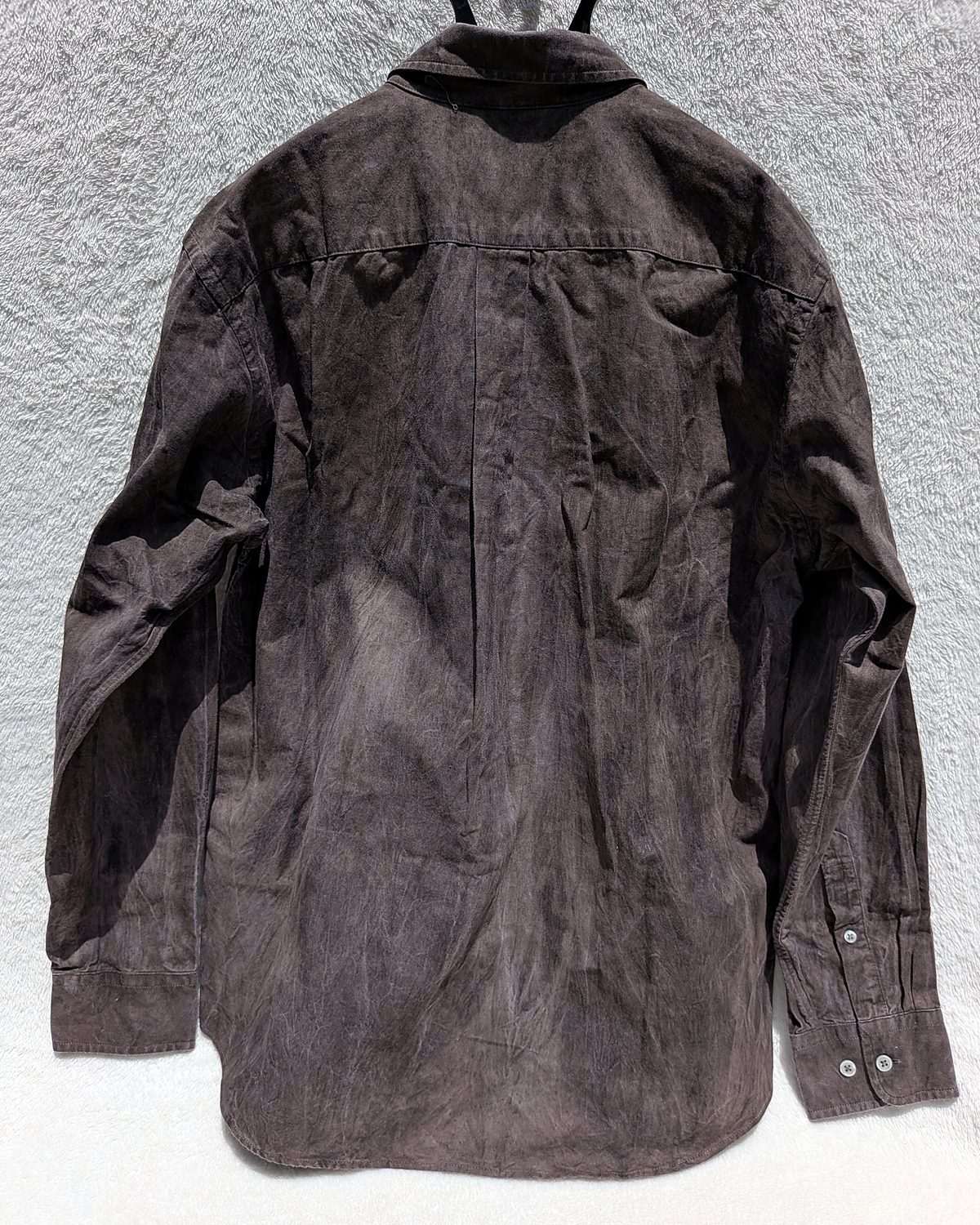
Oxford Long Sleeve
Button-Down Shirt
Base garment made in Vietnam. Hand-dyed with kakishibu in Kyoto, Japan.
$345

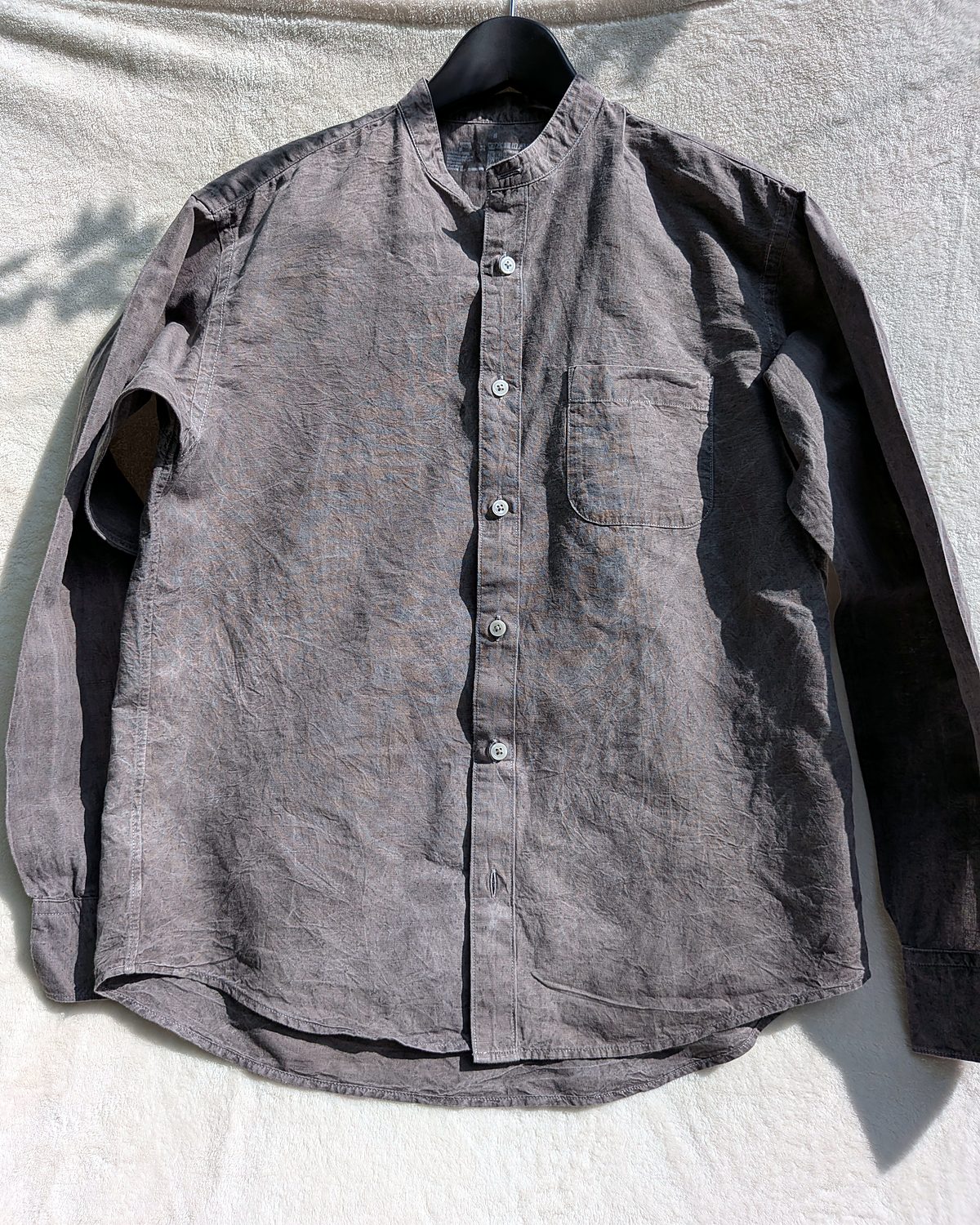
Hemp Cotton Long Sleeve
Stand Collar Shirt
Base garment made in Cambodia. Hand-dyed with kakishibu in Kyoto, Japan.
$365

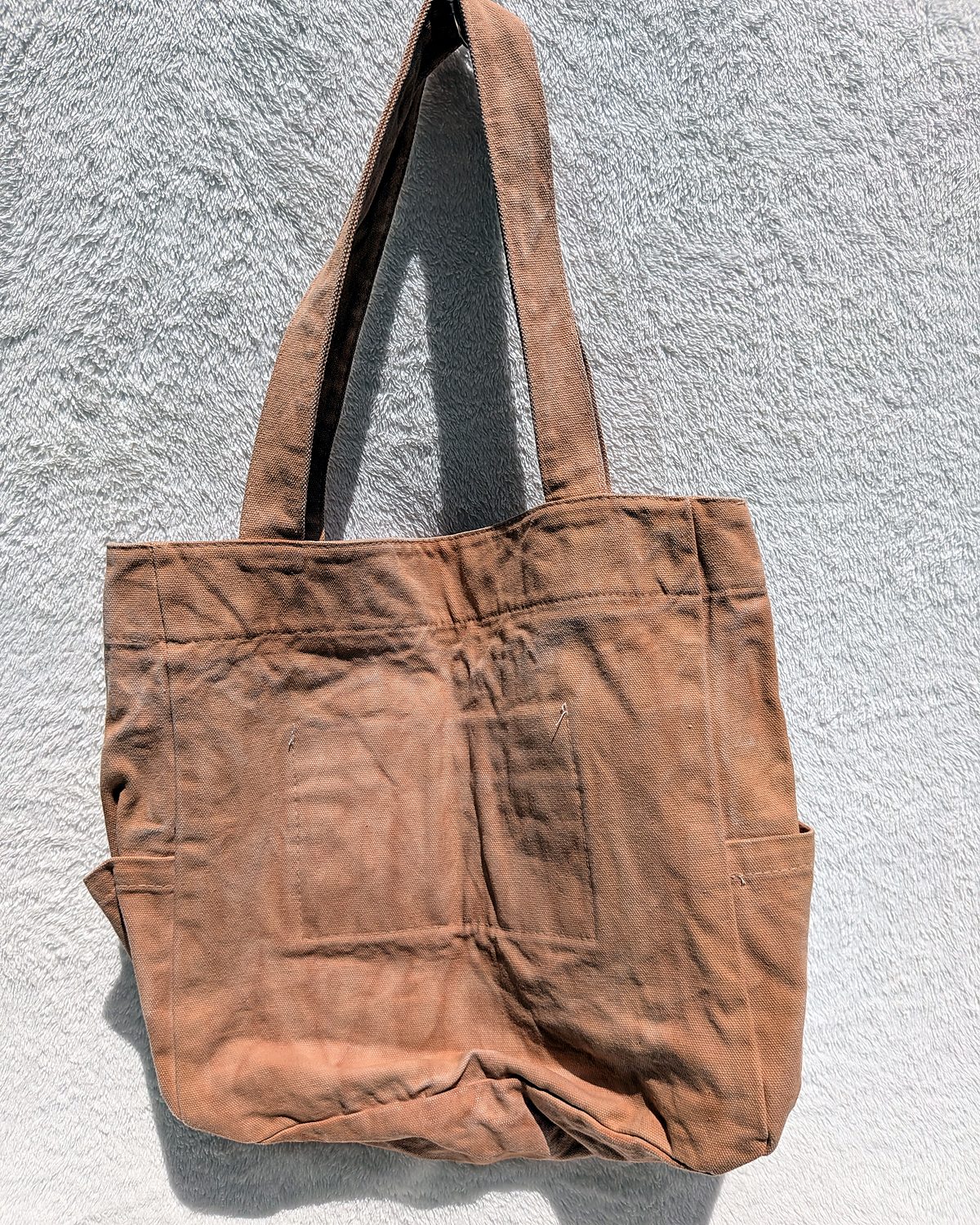
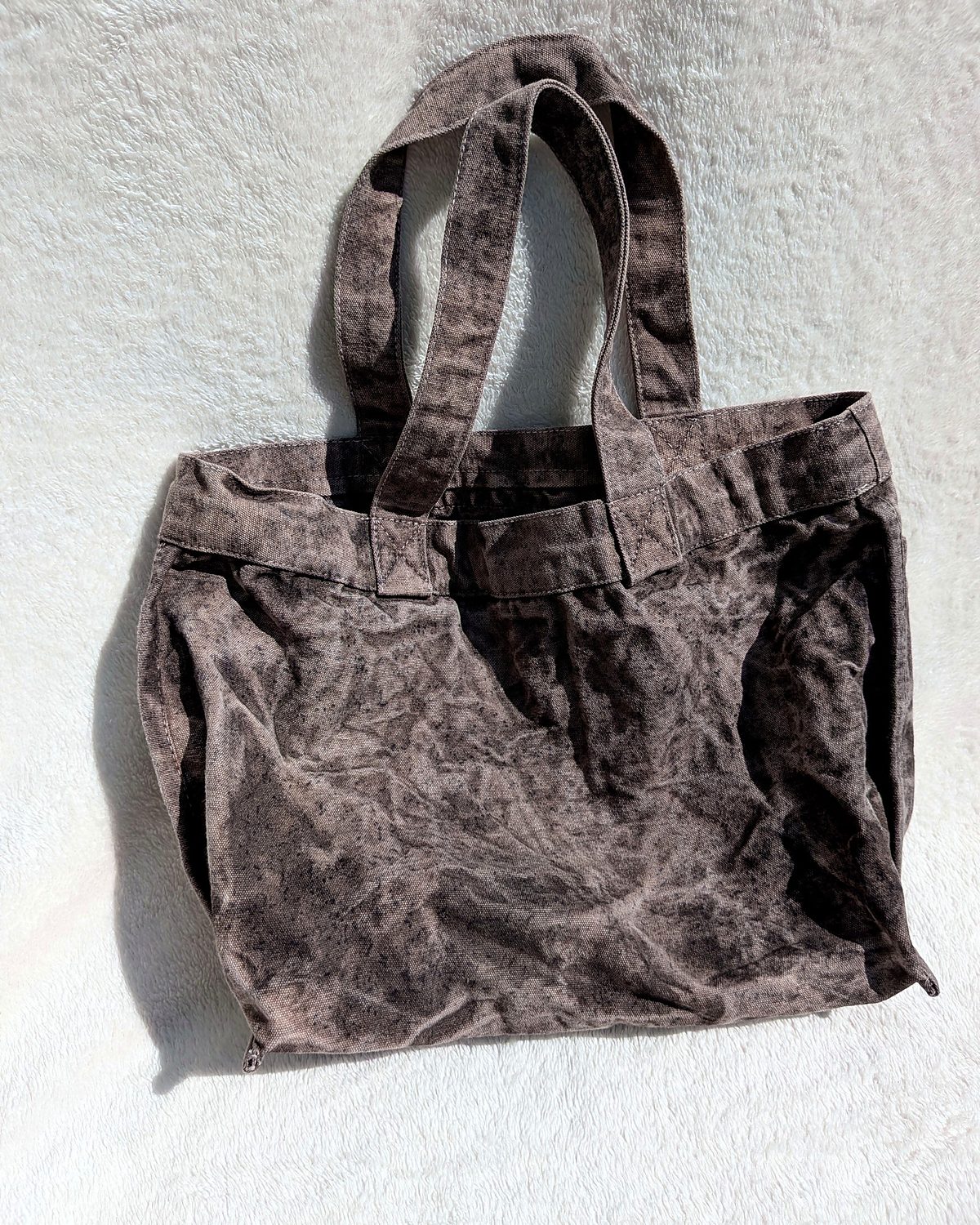
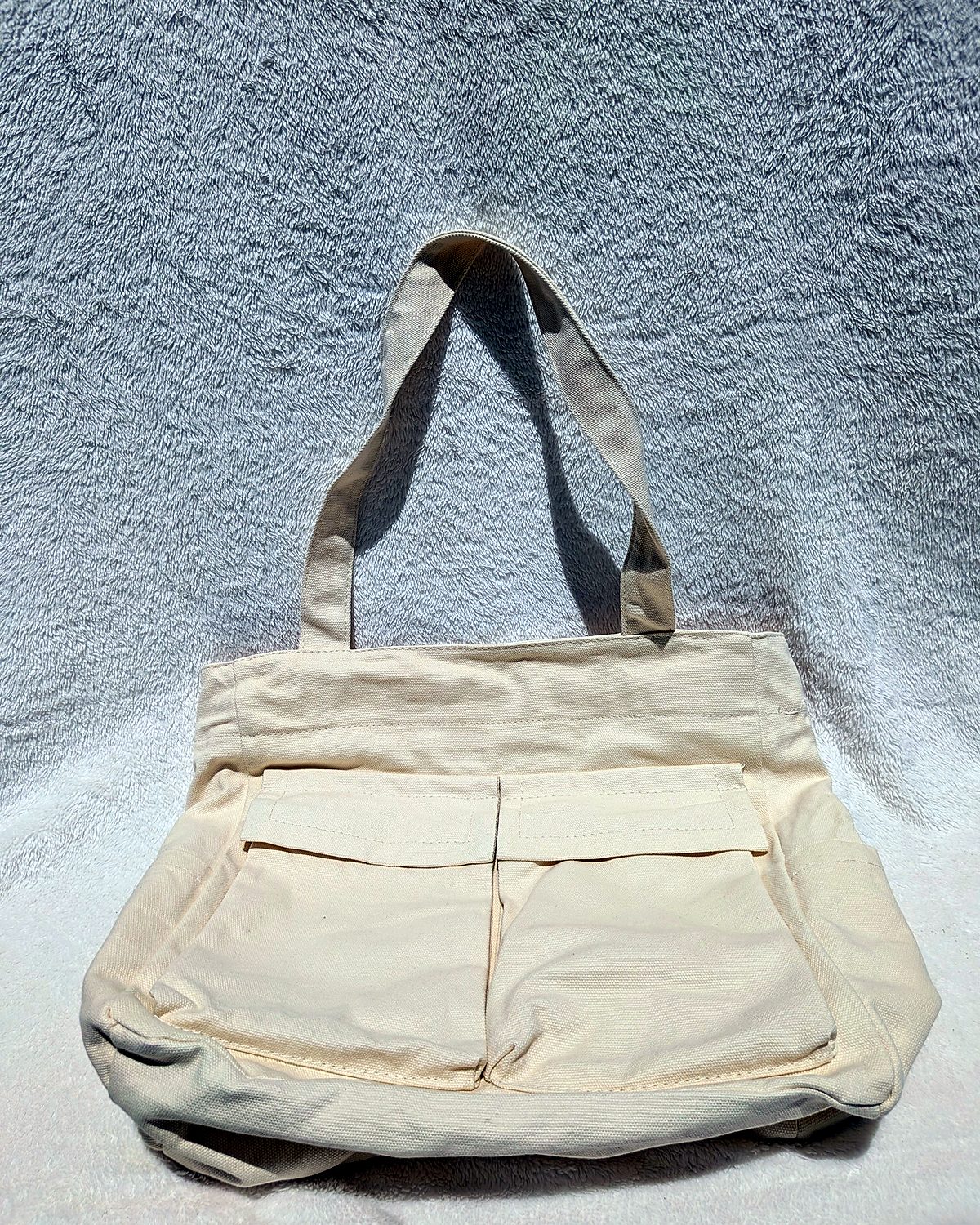
Canvas
Tote Bag
Base bag made in India. Hand-dyed with kakishibu in Kyoto, Japan.
$410
Before & After
Drag to compare the undyed base garment with the finished piece. Every mura pattern is different.

BeforeAfterLong-Sleeve T-Shirt · undyed base → kakishibu

BeforeAfterTote Bag · undyed canvas → kakishibu
Ancient Japanese Tradition
平安時代より続く、日本古来の技法
The earliest written record of kakishibu dates to the 10th century, when it was used as an undercoat for lacquerwork. Long before that, it had already found its way into the fabric of everyday Japanese life — applied to fishing nets to prevent rot, painted onto the wooden beams of shrines and farmhouses, and worked into the paper of folding fans and umbrellas.
Clothing dyed with kakishibu — known as kakigoromo — was worn by lower-ranking samurai in the Heian period (794–1185 AD). The dye was valued not for beauty alone, but for its practical power: it stiffened cloth, repelled insects, resisted moisture, and made garments last for generations. The same properties that preserved ancient Japan now protect the cotton in your SHIBUI piece.
10th century
First written record — used as lacquer undercoat in Japanese architecture and crafts
Heian era
Kakigoromo — persimmon-dyed garments — worn by samurai and court attendants
Medieval–Edo
Applied to fishing nets, mummies (sokushinbutsu), umbrellas, paper craft, and farmhouse exteriors across Japan
21st century
2020: Nara Medical University reports that persimmon tannin inactivated SARS-CoV-2 in test-tube studies — research on the tannin itself, not on dyed clothing
Iron allergy risk is low — iron is among the least sensitising metals, far below nickel or cobalt. However, heavy sweating may cause trace iron ions to migrate to skin, potentially causing redness or itching in sensitive individuals.
Oxidation & skin barrier — the iron catalyst generates mild oxidative activity. For those with very sensitive skin, eczema, or atopic dermatitis, this may reduce the skin's barrier function. Wearing a cotton inner layer eliminates this risk entirely.
Binder / fixative residue — trace amounts of fixative used to bond the catalyst to fibres may occasionally cause contact dermatitis. Washing before first wear significantly reduces this risk.
Recommended Precautions
Common Questions